









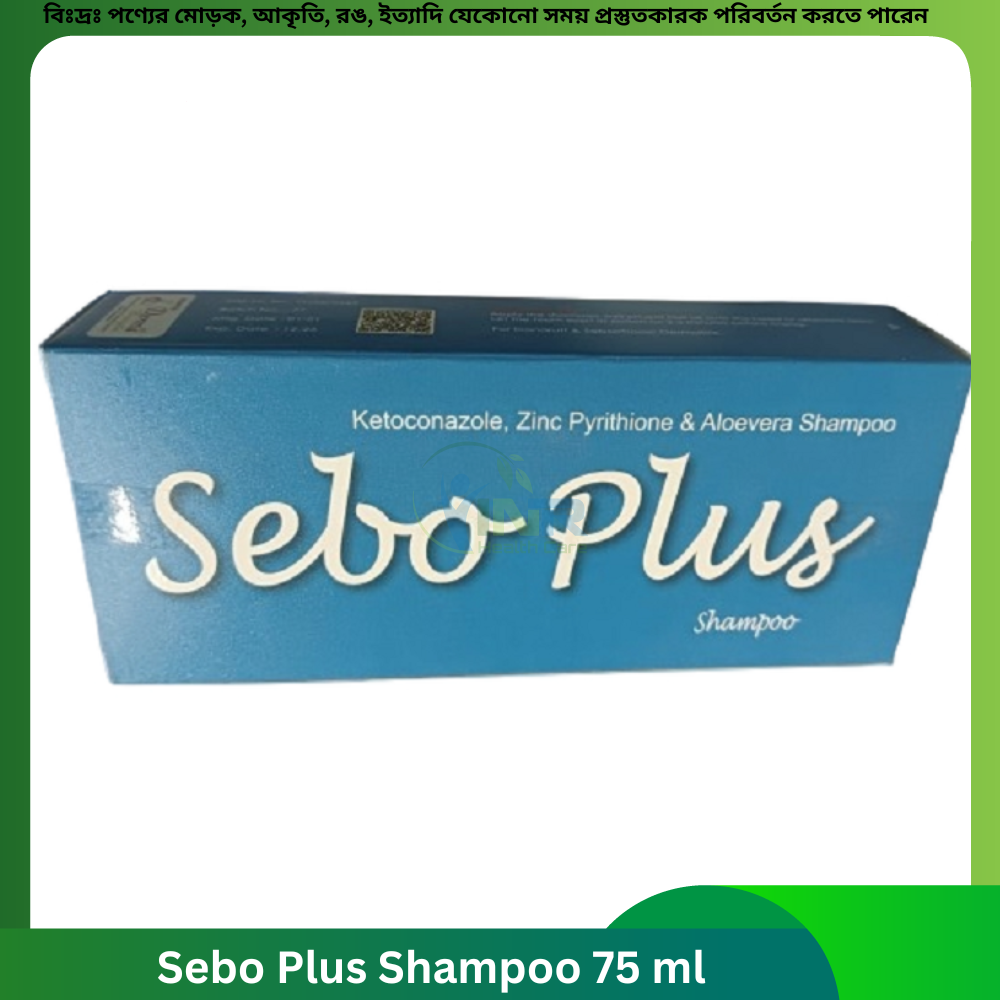
Sebo Plus Shampoo 75 ml
৳620.40
/Piece(s)
SKU: DEB09
Order By Call:
+88 01568-208768
+88 01568-208768
Top Selling Products
-

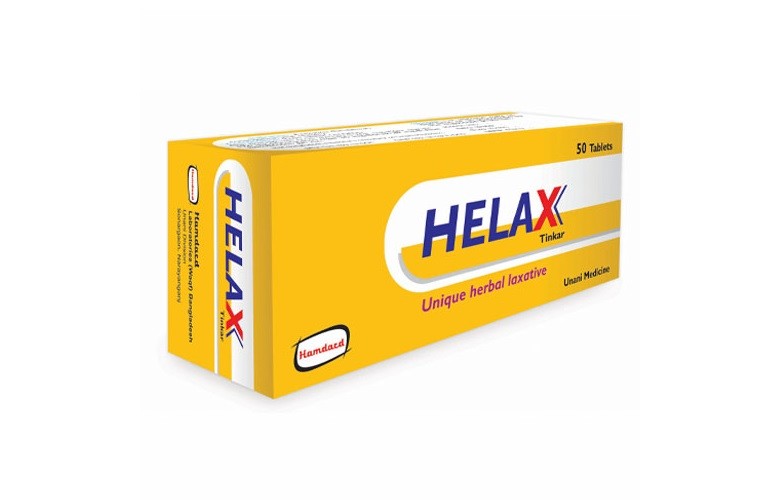
Helax Tabler 50's pack
৳144.00 -
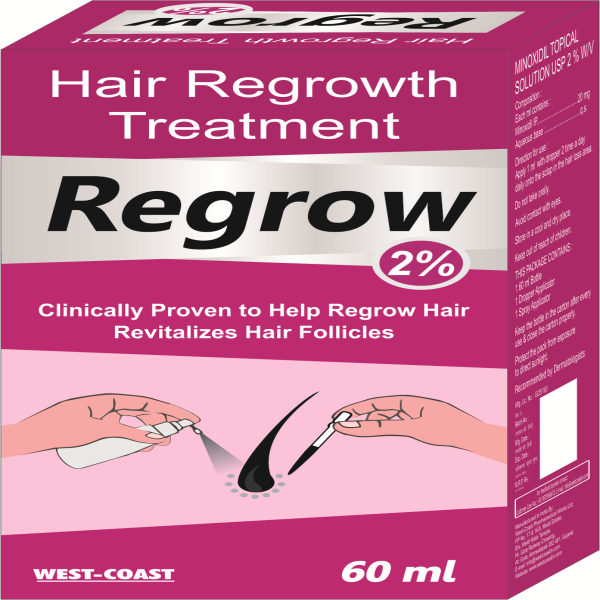
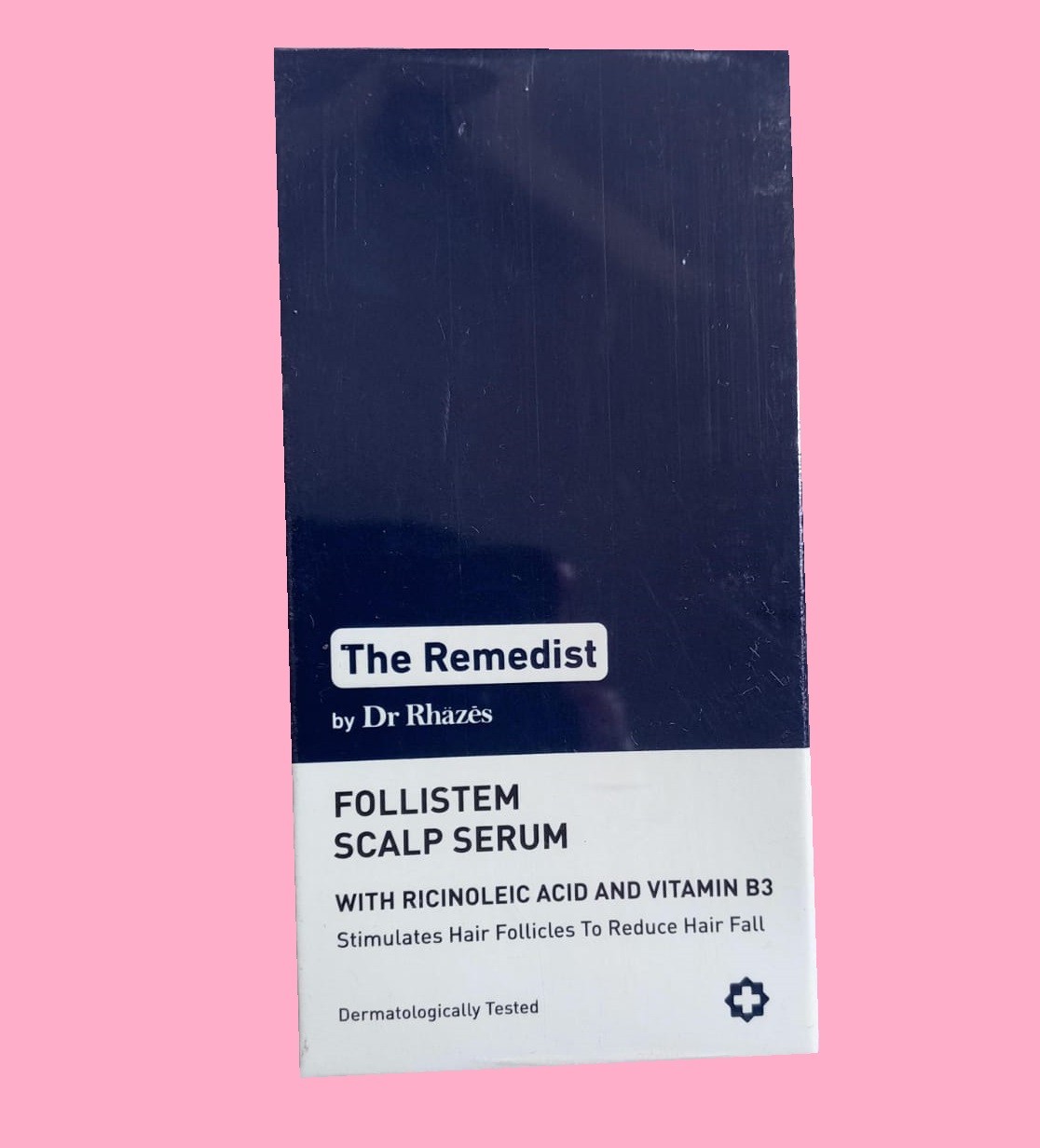
Regrow 2% Scalp Solution 60 ml
৳164.50 -
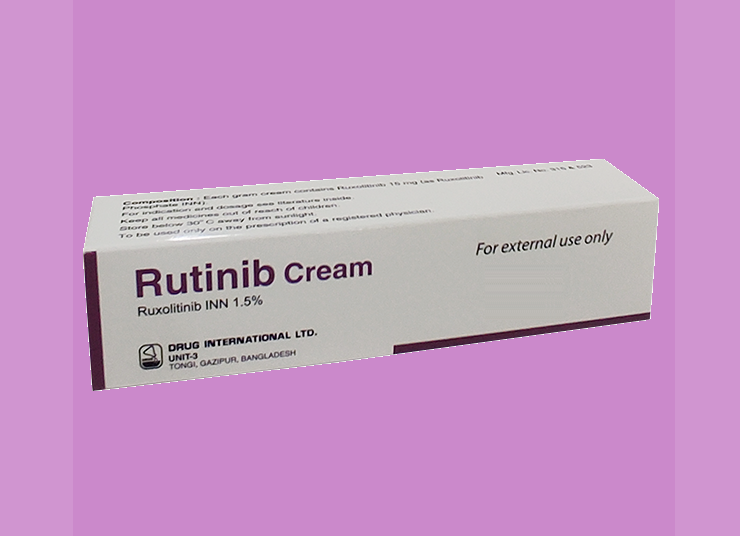
RUTINIB Cream 15 gm
৳2,744.00 -
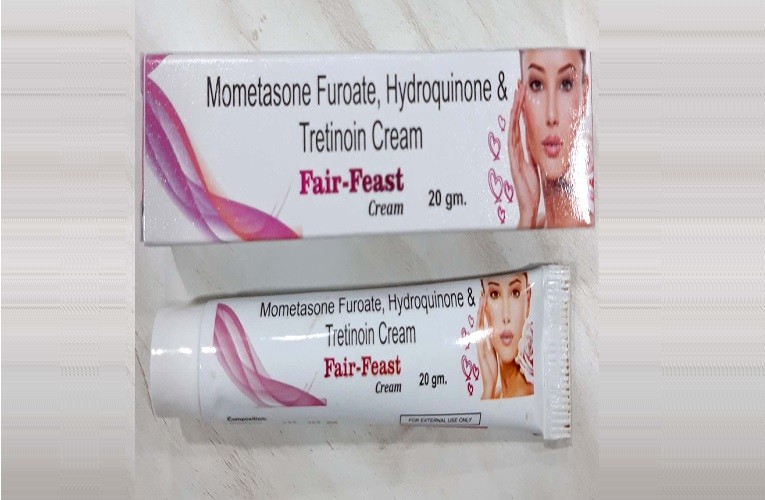
Fair Feast Cream 20 gm
৳841.30
“Sebo Plus Shampoo” is a medicated, antifungal treatment designed
to manage fungal skin infections of the scalp, including dandruff and
seborrheic dermatitis. It is formulated with a combination of active
ingredients to kill fungi, relieve symptoms, and moisturize the scalp.
Benefits of Sebo Plus Shampoo:
- Treats
fungal infections: Kills
and stops the growth of fungi on the scalp that cause dandruff and
seborrheic dermatitis.
- Reduces
dandruff: Effectively
manages scaling and flaking caused by fungal overgrowth.
- Controls
seborrheic dermatitis: Helps
to control the symptoms of this condition, though it is not a permanent
cure.
- Prevents
recurrence: Used
regularly, it can help prevent dandruff from returning.
- Nourishes
and moisturizes: Contains
aloe vera to soothe, moisturize, and nourish the skin.
Ingredients of Sebo Plus Shampoo:
The
primary active ingredients in Sebo Plus Shampoo are:
- Ketoconazole (2%): A potent antifungal
medication that works by destroying the cell membranes of fungi,
effectively killing them.
- Zinc Pyrithione (1%): Another antifungal
agent that disrupts the fungal cell's protein utilization, which helps to
stop fungal growth.
- Aloe Vera (10%): A natural ingredient
known for its moisturizing and soothing properties.
Uses of Sebo Plus Shampoo:
Sebo
Plus Shampoo is used for the following conditions:
- Treatment of fungal skin infections on the
scalp.
- Management of dandruff (Pityriasis capitis).
- Control of seborrheic dermatitis.
- Treatment of pityriasis versicolor on the
scalp.
How to use Sebo Plus Shampoo:
- Wet your hair and scalp thoroughly.
- Shake the bottle well before use.
- Apply an adequate amount of shampoo to create a
lather.
- Gently massage it into the scalp.
- Allow the lather to remain on the scalp for 3
to 5 minutes.
- Rinse thoroughly with water.
- Use as directed by a doctor, typically 2 to 3
times per week.
Side effects of Sebo Plus Shampoo:
While
generally well-tolerated, some users may experience mild side effects, which
usually resolve over time.
- Itching, redness, irritation, or a burning
sensation at the application site.
- Hair discoloration or abnormal hair texture.
- Changes in hair texture, such as the removal of
curl from permed hair.
- Dry or oily scalp.
- If symptoms persist or worsen, consult your
doctor.
There have been no reviews for this product yet.
Related products
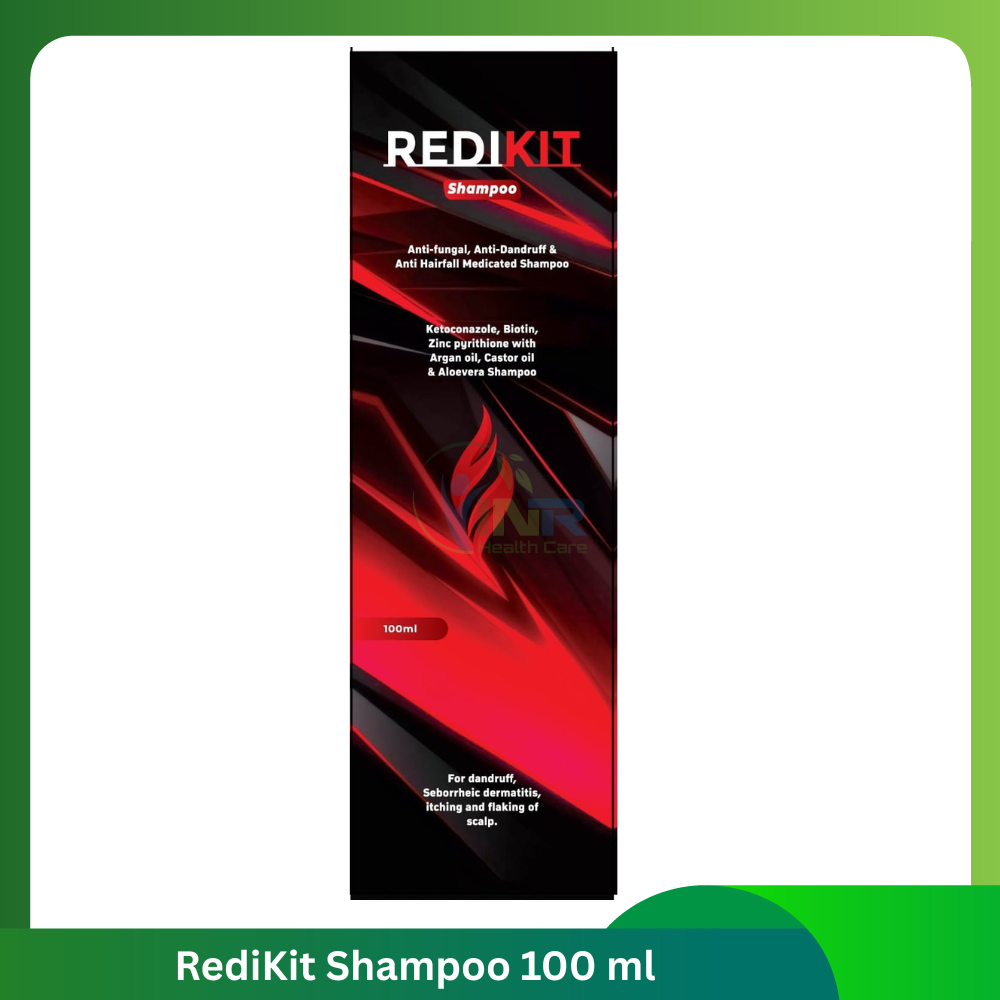
RediKit Shampoo 100 ml
inrhealthcare.com | Trademarks and brands are the property of their respective owners.

Contact Info
- Address: South Banasree, Rampura, Dhaka
- Phone: 01540 384 786
- Email: order@inrhealthcare.com.com